Started Research Assistant role at SFU Beedie School of Business
Working on socially intelligent AI system that combines expertise matching with ideas from interaction ritual theory
Research 2025
AI & Data Science | Human-centered ML systems from data to deployment
I build pipelines, train and evaluate models, and ship them into products people can actually use.
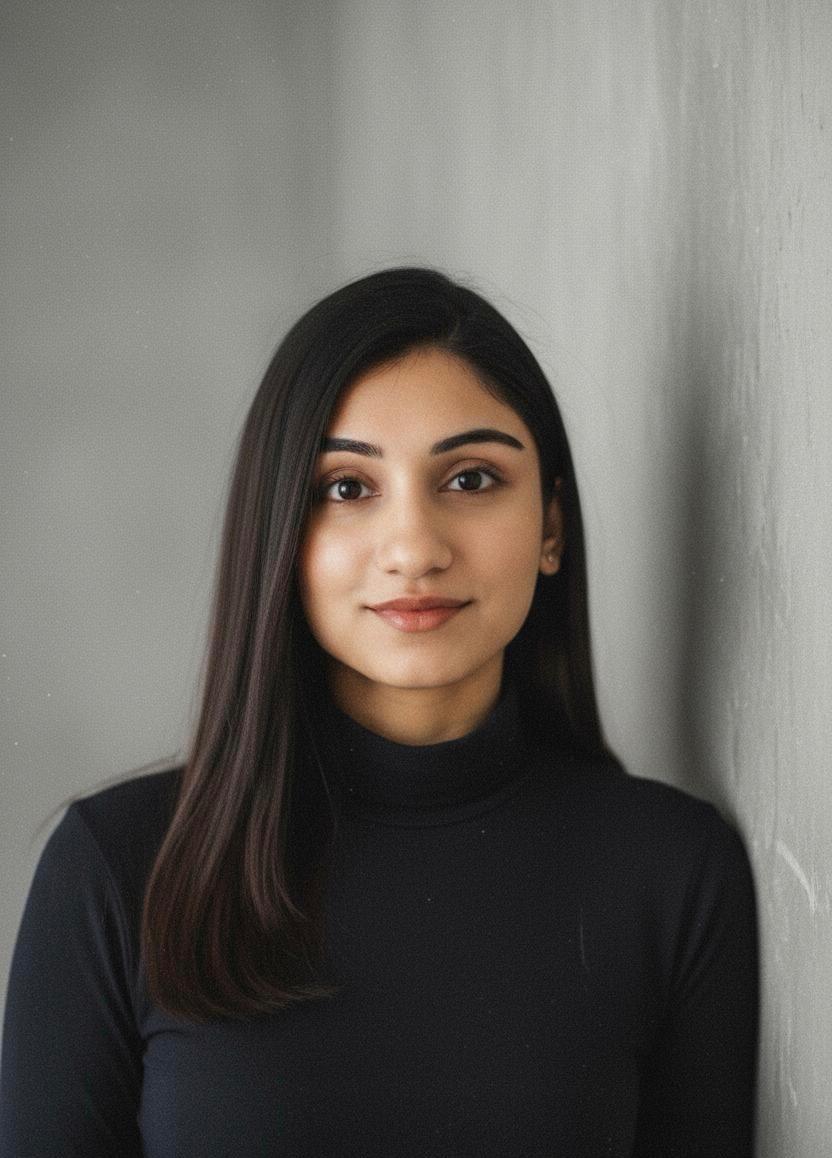
I build end-to-end machine learning systems that connect people with the right knowledge. My focus is practical ML that fits real workflows, from data pipelines and modeling to evaluation and deployment into usable applications.
My work spans classical ML, deep learning, and LLM-based applications. I prioritize reliable performance, interpretability, and clean, reproducible workflows. I work primarily in Python using PyTorch, TensorFlow, scikit-learn, and SQL/PostgreSQL, and I've built retrieval-augmented generation pipelines for decision support and user-facing experiences.
I'm currently developing a socially intelligent system to reduce organizational knowledge silos by lowering the friction of cross-team collaboration. The goal is not just better retrieval, but better coordination: making expertise easier to discover and outreach easier to act on.
I care about building AI that people can trust and use, which means systems that are interpretable where possible, responsibly applied, and evaluated with real users and real constraints.
Stay up to date with my latest projects, research, and professional experiences.
Working on socially intelligent AI system that combines expertise matching with ideas from interaction ritual theory
ResearchBuilt and deployed AI-powered career guidance platform using Flask and large language models to deliver personalized course and study recommendations
Professional ExperienceLLM-powered learning and career guidance web app with retrieval-based recommendations.
Delivered CNN, SVM, and K-Means projects for gesture recognition, image classification, and customer segmentation.
Co-designed a socially intelligent AI system for cross-silo collaboration as part of the AI for Organizations Grand Challenge (Stanford & Google DeepMind).
Developed CNN-based method for multi-phase abdominal CT scan classification; 90.60% mean F1 on 217K+ slices.
Led labs and supported instruction across six undergraduate engineering courses, including ENSC 425 (200+ students).
Instructed ML, Python, and core EEE courses; supervised 10+ capstone projects; Acting HoD; organized three technical conferences (300+ participants).
Mentored engineering project teams and supported courses in Python, ML, Digital Image Processing, and core EEE labs.
Front-line technical support for faculty, staff, and students; MFA, remote access, OS deployments; ticketing via TeamDynamix and Confluence.
2016 – 2018
Designed and prototyped a power-electronics and control system for electrosurgical generators to regulate output safely under changing tissue impedance. Built MATLAB/Simulink model and a 34 kHz hardware prototype. Implemented constant current, constant power, and constant voltage control modes. Tested performance across varying load impedances; included Arduino-based skin resistance measurement with conductive textile electrodes.
View Thesis →Here are some of my recent projects that showcase my skills in data analysis, machine learning, and software development.
2025 – Present
LLM-powered learning and career guidance web app with retrieval-based recommendations. Built with Flask, RAG, ChromaDB, and Sentence Transformers.
View Code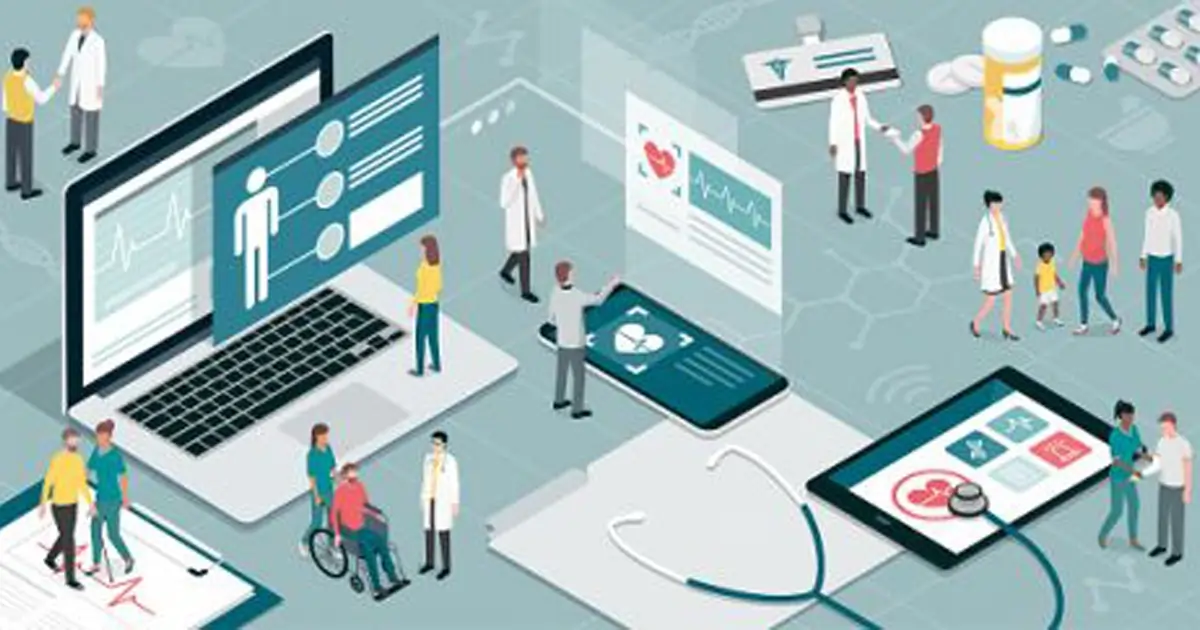
Oct. 2025
Hospital or patient management system for tracking and managing patient data and workflows.
View Code
2024
Deep learning model for hand gesture recognition using CNN; built with TensorFlow/Keras and image datasets.
View Code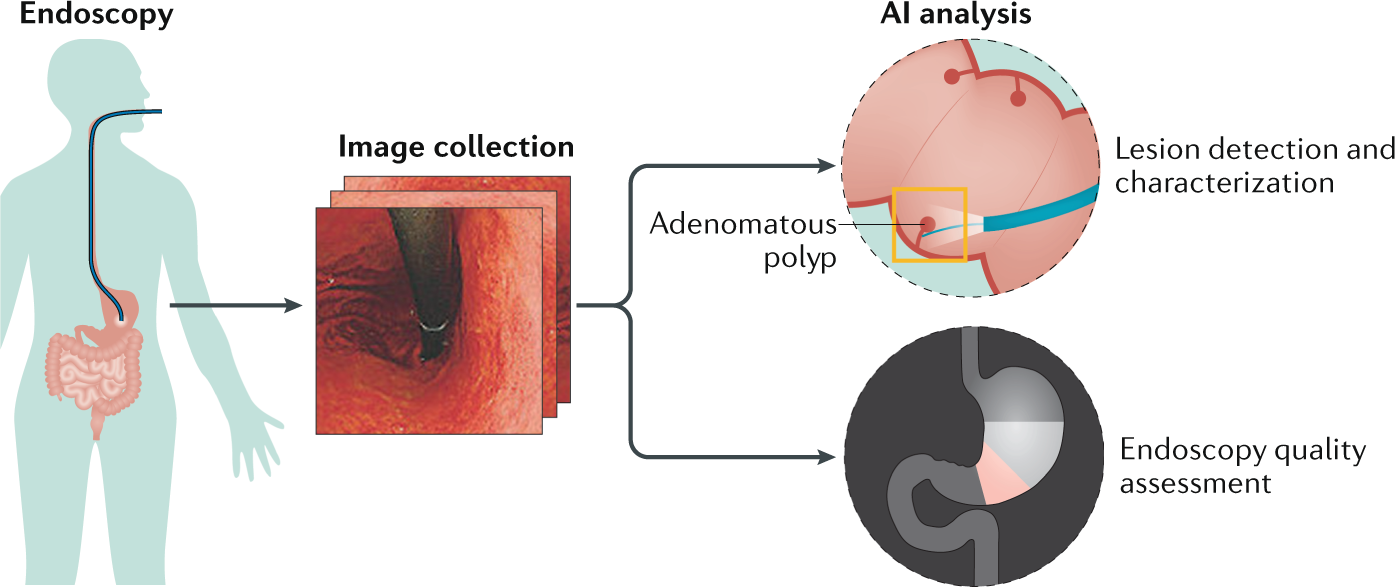
Feb. 2022 – April 2022
UNet-based deep learning models with ResNet-50 transfer learning for polyp detection and segmentation from colonoscopy images (CVC-ClinicDB). Modified UNet achieved 99% accuracy using Keras, TensorFlow, OpenCV.
View Code
Jan. 2022 – Feb. 2022
CNN-based image classification system for cat vs. dog images using TensorFlow and Keras, with fine-tuning and hyperparameter optimization for high accuracy.
View Code
2024
Recommendation system that suggests movies based on user preferences, ratings, or collaborative filtering.
View Code
2024
Unsupervised learning with K-Means clustering to segment customers for targeted marketing and analytics.
View Code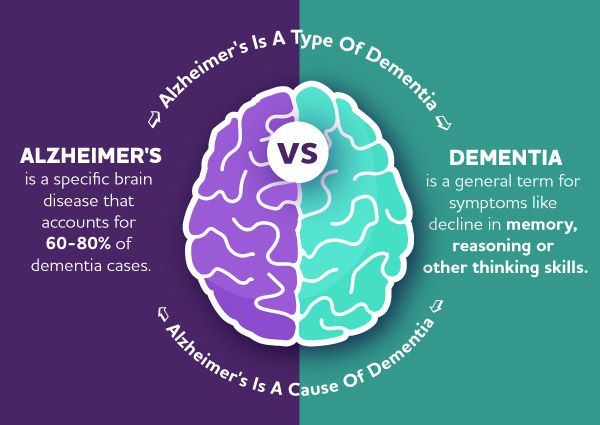
Sep. 2022 – Dec. 2022
Classification techniques to enhance diagnostic accuracy using Decision Tree, Random Forest, SVM, Adaboost, and Logistic Regression on OASIS MRI images. Achieved ~86% accuracy with Scikit-learn, Pandas, NumPy, and visualization with Matplotlib and Plotly.
View Code
Aug. 2022 – Sep. 2022
Unsupervised learning with K-means clustering to extract features, then Random Forest classification to categorize water samples. Evaluated with accuracy, precision, recall, and F1-score for quality compliance assessment.
View Code
Jun. 2022 – Aug. 2022
Predictive models for diabetes likelihood and risk using pandas and scikit-learn. Compared linear and ridge regression via RMSE; ridge regression showed superior performance in reducing prediction errors.
View CodeAI Community Builder & Project Contributor — Vancouver AI Community (2025–Present)
Feel free to reach out if you're looking for a collaborator, have a question, or just want to connect.